
Can Roof Repairs Be Guaranteed? What Counts
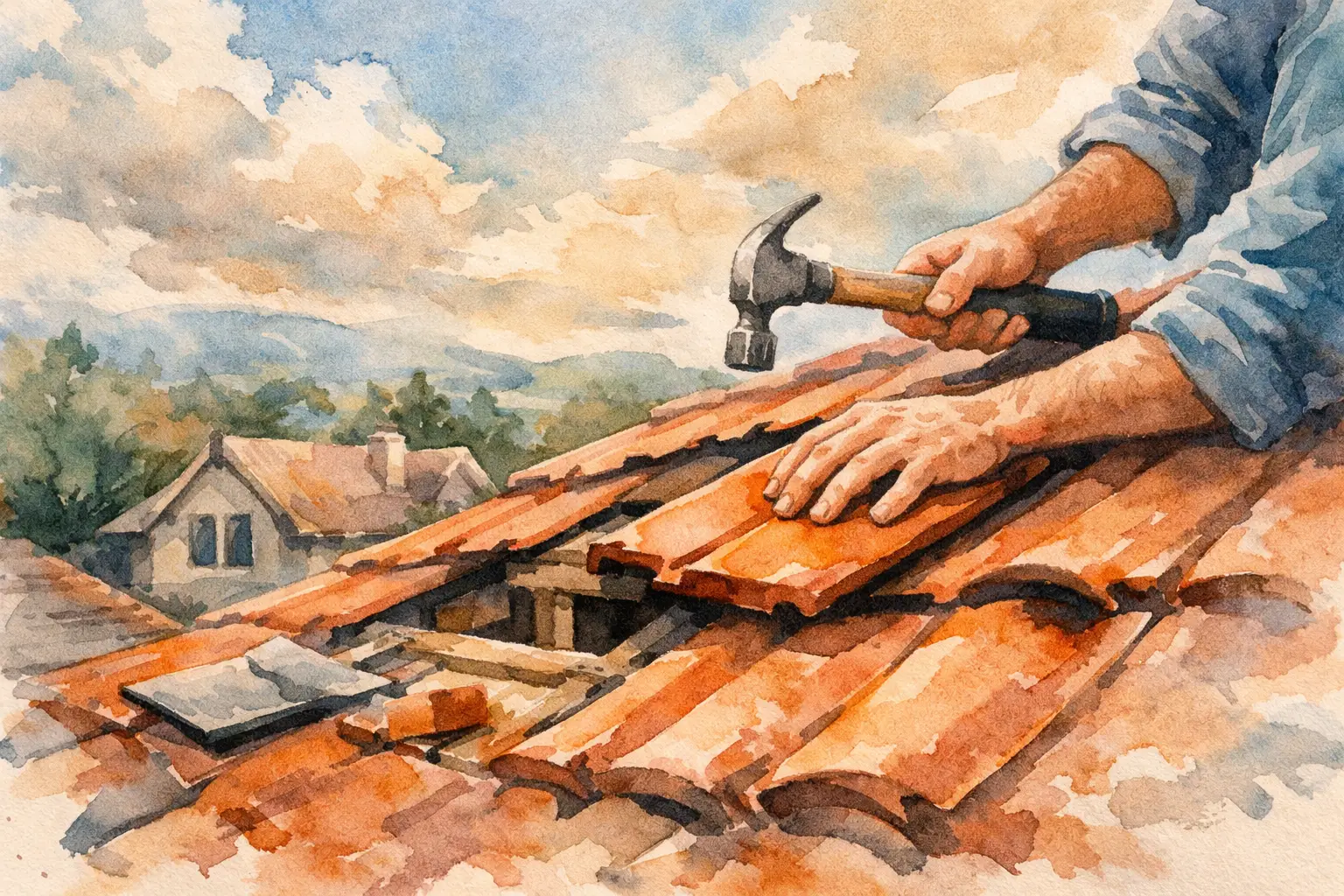
A repair that stops a leak for one wet weekend is not the same as a repair you can rely on through a Glasgow winter. So, can roof repairs be guaranteed? Yes, where the fault has been properly identified, the work is suitable for the roof, and the contractor is prepared to put clear workmanship terms behind it. The key is understanding exactly what that guarantee means before work begins.
A dependable roofer should never promise that every part of an ageing roof will remain fault-free simply because one area has been repaired. What they can guarantee is the standard of their workmanship on the agreed repair. That distinction protects both the property owner and the contractor, and it gives you a realistic basis for comparing quotes.
What a roof repair guarantee should cover
A workmanship guarantee covers defects caused by the contractor’s installation or repair work. If new lead flashing has been fitted incorrectly, replacement slates have not been secured properly, or a flat-roof patch fails because the surface was poorly prepared, that is the type of issue a genuine guarantee should address.
The guarantee should relate to the specific works described in your quotation. For example, if the repair involves renewing cracked tiles around a chimney, rebedding ridge tiles, replacing a failed section of felt, or repairing damaged flashing, the written scope should say so. Vague wording such as “repair roof leak” leaves too much open to interpretation.
Good contractors also make clear how long the workmanship guarantee lasts, what steps to take if a problem reappears, and whether they need the opportunity to inspect the issue before further work is carried out. Keep the quotation, invoice and guarantee document together. They provide a clear record of the condition found, the repair completed and the terms agreed.
Can roof repairs be guaranteed on an old roof?
They can, but only within sensible limits. A targeted repair on a roof near the end of its serviceable life may be completed to a high standard and still be followed by a separate failure elsewhere. Water can travel along timbers, under tiles and across felt before appearing on a bedroom ceiling, so the visible damp patch is not always directly below the source.
This is why an experienced inspection matters. A roofer should assess the immediate defect alongside the wider condition of the roof covering, valleys, flashings, gutters, roofline and underlay. If multiple areas are worn, brittle or poorly repaired in the past, a contractor should explain that a local repair will solve the current issue but cannot guarantee the entire roof.
That is not a sales tactic when it is backed by a proper survey. It is practical advice. Spending money repeatedly on small repairs can become poor value if the roof has widespread deterioration, while a well-maintained roof with one storm-damaged tile may need nothing more than a straightforward repair.
The repair must match the roof system
Different roofs call for different methods and materials. A slate roof may require matching slates, correct fixings and careful attention to surrounding slates. A tiled roof may need replacement tiles, renewed mortar work or repairs to valleys and verges. Flat roofs need an assessment of the membrane, joints, outlets, edge details and any trapped water.
Lead and zinc work also demands specialist knowledge. Flashings around chimneys, dormers and wall abutments must allow for movement while maintaining a watertight seal. Applying sealant over a failed flashing may provide a short-term response in an emergency, but it is not always a lasting repair. The right solution may be to renew the leadwork properly.
A guarantee is only as credible as the diagnosis and the method used. The cheapest quote can be expensive if it merely covers the symptoms.
What is normally excluded from a guarantee?
A fair roof repair guarantee will have exclusions. These should be clear rather than hidden in small print. Workmanship cannot reasonably cover new damage caused by extreme weather, falling branches, accidental impact, vandalism, fire or structural movement after the repair is complete.
It will not usually cover faults in parts of the roof that were not included in the original scope. If a repair is carried out to one chimney flashing and a separate valley begins leaking months later, those are different defects. Similarly, blocked gutters, overflowing downpipes and poorly maintained roof valleys can force water into areas that were previously sound.
Materials may carry their own manufacturer warranty, which is separate from the contractor’s workmanship guarantee. Material cover can depend on the product, its installation requirements and the terms set by the manufacturer. Ask your roofer to explain the difference rather than assuming every component has the same length of cover.
Questions to ask before you approve a repair
Before agreeing to work, ask what the roofer believes is causing the problem and whether they have inspected the surrounding areas. A clear explanation is a good sign. You should also ask what repair is proposed, which materials will be used, how long the work is expected to take and what guarantee applies to the completed repair.
For a larger or more complex issue, it is reasonable to ask whether there are alternative options. There may be a lower-cost local repair, a more extensive remedial option, or a recommendation to plan for roof replacement. The right choice depends on the roof’s age, condition, budget and how long you intend to retain the property.
Be cautious of anyone who offers a sweeping lifetime promise after only a quick look from ground level. Equally, do not assume a contractor who explains limitations is less reliable. The most trustworthy advice is specific: it identifies what has failed, explains the remedy and sets honest boundaries around what can be guaranteed.
Why maintenance protects your guarantee and your roof
Many avoidable leaks begin with neglected maintenance. Moss build-up, blocked gutters, loose mortar, slipped slates and damaged pointing all allow water to find a route into the roof structure. Small faults are generally quicker and less costly to correct before repeated water ingress affects timber, insulation, plasterwork or electrics.
Periodic roof inspections are especially useful after severe wind, prolonged rain or freezing conditions. Landlords and commercial property managers can also benefit from planned checks, as they provide an opportunity to deal with minor defects before they disrupt tenants or business operations.
If a roofer recommends keeping gutters clear or arranging a follow-up inspection, this is not just an add-on. It helps preserve the repaired area and gives early warning of unrelated problems developing nearby. A guarantee covers agreed workmanship, but routine care remains the property owner’s responsibility.
Choosing a contractor who stands behind the work
The strongest guarantee is backed by a contractor who is established, responsive and willing to return if there is a genuine concern. Look for clear written quotations, local reviews, evidence of relevant experience and straightforward communication from the first survey onwards. You should feel able to ask questions without being pressured into a decision.
For properties across Glasgow and Central Scotland, First Roofing & Building provides inspections, emergency repairs and planned roofing work carried out by experienced tradesmen. Whether the issue is a slipped slate after high winds, failed leadwork around a chimney or water entering a flat roof, the priority should be a proper assessment and a repair that is right for the building.
A written guarantee brings reassurance, but the real value lies in work that has been carefully diagnosed, correctly specified and completed to a standard worth standing behind. If you have noticed a leak, loose roofing materials or signs of damp, arrange an inspection before a manageable repair becomes wider damage.